These school holidays marked the end of my third term at Albany Senior High School. I am absolutely loving my role as Principal at ASHS and I am still pinching myself when I think about how good of a fit it feels for me (and hopefully vice versa as well). It is incredible to think about how much has happened in such a short time. At this point I really do want to give my senior leadership team and all the staff at ASHS a massive warm and fuzzy shout out for the way they have jumped in boots and all!
Below is a bit of an overview and update of the exciting things going on at ASHS. Much of which links directly back to the our trusty annual plan.
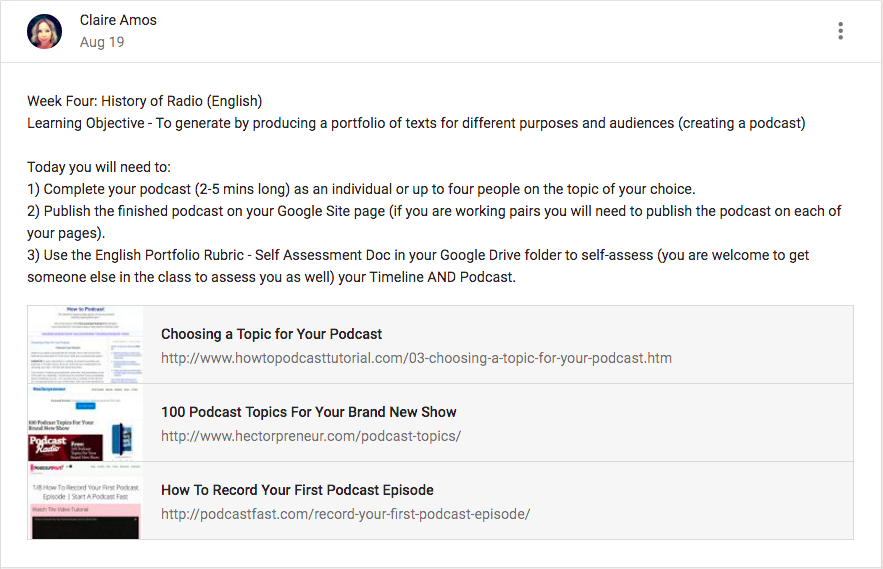
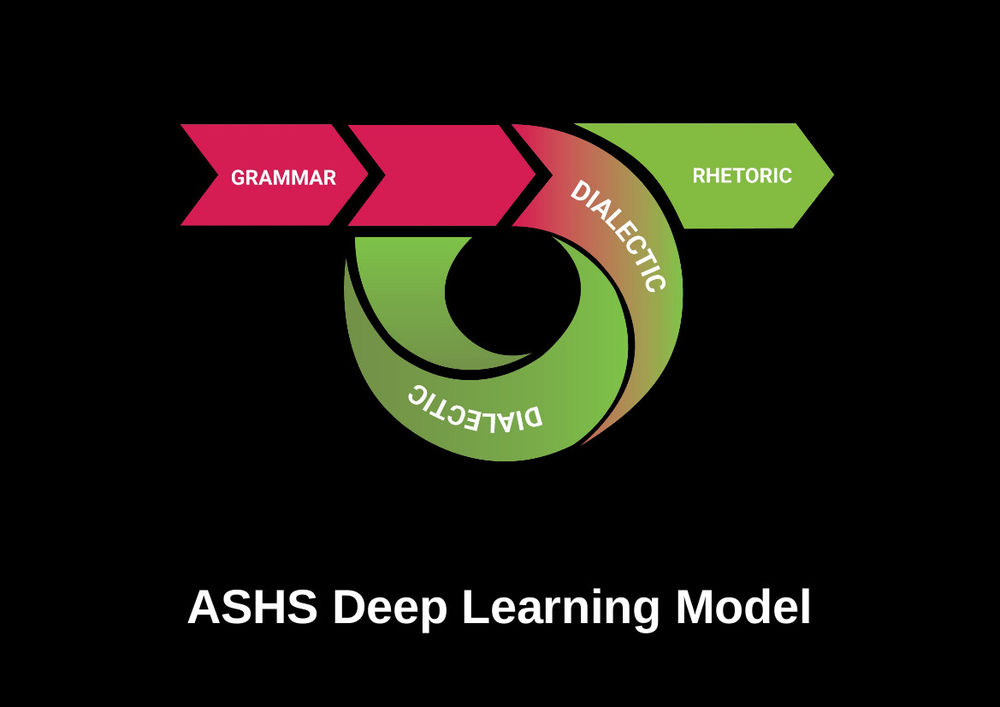
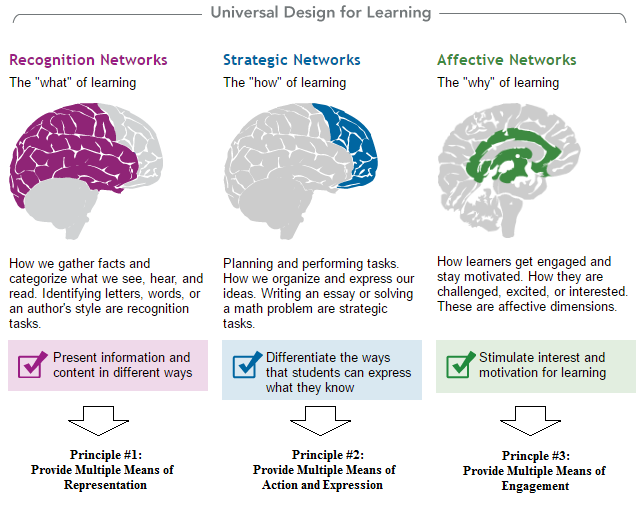
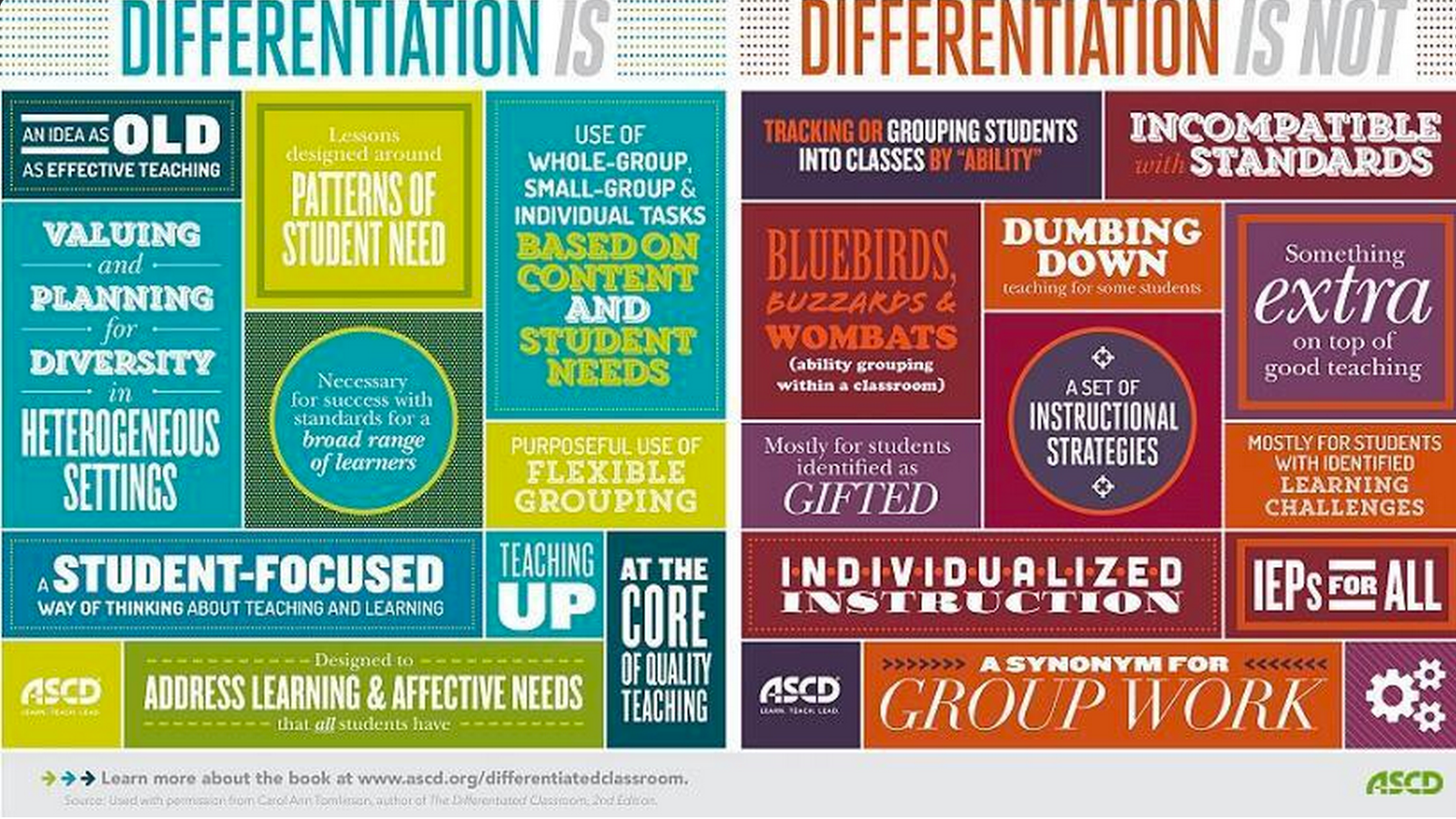
Specialist Subjects working on providing visible, deep and inclusive learning. Part of this year’s annual plan is focusing squarely on how we can ensure we are working towards all learning being visible, deep and inclusive. Under the fabulous leadership of Associate Principal Miranda Makin and DP Cristina Casey our specialist subject leaders are working hard to unpack each of these concepts and build on the work that has already gone on at ASHS. Visible learning is achieved through the careful use of technology ensuring all learners know what they are learning and can access that learning 24/7 via platforms such as Google Classroom - this will be an ongoing focus to ensure we are using these platforms effectively and consistently across the board. Deep learning (which has been an ongoing focus at ASHS for some time) is about ensuring our learners not only know what they are learning but can see how that learning is relevant beyond the classroom. For most subjects this is about further enhancing dialectic practices in their courses. Deep Learning is also achieved by tackling real world contexts such as climate change in Science and applying their Mathematics learning to future focused contexts such as coding and robotics. Inclusive learning is about employing ‘universal design for learning’ to ensure our learners can access and evidence their learning in a way that suits their strengths and interests and ensuring assessment is personalised rather than one size fits all! This is definitely a work in progress and I look forward to seeing how it develops over the coming terms.

Impact Projects 2.0 are go! At ASHS they have dedicated every Wednesday for the past 10 years to Impact Projects (IP) where students get to focus on a large scale and long term project of their choice. Projects are developed by students who work with a project mentor (teacher) and are guided by four principles: student ownership and agency; substantial learning beyond the classroom; quality product; and participating and contributing with the community. This ensures our students have the opportunity to be an adult in the world and to develop the skills required to succeed in the 21st Century, developing skills in: time management; leadership; project management; participation in an authentic context of their own making and making a very real contribution to our world.
If you are interested in more regular updates about what we are up to at ASHS, make sure you join me for my weekly Facebook Live updates which air every Wednesday on our Facebook page: https://www.facebook.com/ashsnz My intention is to ensure these are weekly throughout the term.
 |
| Link to the 2019 Annual Plan |
Specialist Subjects working on providing visible, deep and inclusive learning. Part of this year’s annual plan is focusing squarely on how we can ensure we are working towards all learning being visible, deep and inclusive. Under the fabulous leadership of Associate Principal Miranda Makin and DP Cristina Casey our specialist subject leaders are working hard to unpack each of these concepts and build on the work that has already gone on at ASHS. Visible learning is achieved through the careful use of technology ensuring all learners know what they are learning and can access that learning 24/7 via platforms such as Google Classroom - this will be an ongoing focus to ensure we are using these platforms effectively and consistently across the board. Deep learning (which has been an ongoing focus at ASHS for some time) is about ensuring our learners not only know what they are learning but can see how that learning is relevant beyond the classroom. For most subjects this is about further enhancing dialectic practices in their courses. Deep Learning is also achieved by tackling real world contexts such as climate change in Science and applying their Mathematics learning to future focused contexts such as coding and robotics. Inclusive learning is about employing ‘universal design for learning’ to ensure our learners can access and evidence their learning in a way that suits their strengths and interests and ensuring assessment is personalised rather than one size fits all! This is definitely a work in progress and I look forward to seeing how it develops over the coming terms.

This year, with the help of DP Hamish Chalmers, we have stepped up the IP mentor practice focus on problem-solving and mentoring conversations, we have re-introduced Impact Projects Hubs that group students with common interests and have introduced the Stanford D.School Design Thinking Framework to engage in creative complex problem solving, critical thinking and learn how to negotiate and collaborate whilst managing themselves and others. These are the very skills that employers and universities are increasingly looking for and are the skills our young people will need to thrive in an increasingly complex world. We believe each and every ASHS students has the opportunity to be future ready! I have always loved ASHS Impact Projects so it is beyond exciting to be able to support them as they evolve. We are also introducing extended PD for staff on Wednesdays (2.30-3.30) from this term onward, hopefully this will give us a chance to further embed the design thinking approach which is still very much in its infancy.
ConnectED is growing. ConnectED aims to be a first of its kind, school / business / community / innovation hub and network which will be based at Albany Senior High School. The aim of the network is to establish a network and talent register that might mentor and support student Impact Projects; connect learning across the school with the community and wider world of business; host whanau community facing educational events about futures thinking and social business networking so as to establish ASHS as THE ed-innovation hub on the shore!
ConnectED which is being supported by DP Ross Martin and our Business SSL Lloyd Gutteridge (and our ConnectED crew of students) is already working with The Mind Lab, 21C Skills Lab, Grow North and Shore Junction. More recently we have met with the North Harbour Club and the OMG Tech team from Voluntari.ly who are working with our ConnectED Impact Project students looking to develop a platform that will be able to bring students and business and industry mentors together with ease. The ConnectED crew are also looking at hosting a community launch event later this term. Am pretty excited to see how this might evolve into something for all students and schools across NZ.
ASHS has opened a dedicated Makerspace for the whole school community. 2019 marked the launch of a dedicated Makerspace at Albany Senior High School. The aim of the Makerspace is provide a creativity hub for the entire school community. Recent additions to the Makerspace include a laser cutting machine, 3D Printers, a screen printing press and even a spinning wheel. We look forward to adding more VR and AR equipment, robotics, a CNC router and a pottery wheel and kiln. Over the coming years we are looking to expand the space to include a range of art and design equipment to ensure we are providing the necessary infrastructure to support ASHS becoming the leading school for creativity and future focused innovation! Credit where credit is due - a lot of this is down to the vision and hard work of our Technology Specialist Subject Leader (SSL) Tracy Elton-Farr and the ongoing support of Office Max. Can't wait to see where might take it over the coming years!!
Other things on the horizon include the appointment of a new Deputy Principal, with founding Associate Principal taking on a fabulous role as Professional Expert at University of Auckland's Leadership Centre we have an exciting opportunity to grow an already fabulous senior leadership team. Closes next Friday if you're interested ;).
On a more personal note I am looking forward to seeing out my last months on the Teaching Council. I have loved being part of the Teachers Council, Education Council and now the Teaching Council. I do hope I can continue to support that work in some way. It has proven to be the most incredible opportunity for both personal and professional growth and I have felt very privileged to have been part of the incredible work produced by the Education Council over these last three years and getting to work alongside the likes of Graham Stoop, Lesley Hoskins, Pauline Barnes, Barbara Ala'alatoa and Anthony McKay.
Later this term I look forward to heading to EduTECH to lead a Masterclass about design thinking and project-based learning and talking once again about 'The Digital Blue Yonder'. Let me know if you are going to be at EduTECH!
I am also really looking forward to helping lead 'The DisruptED Social Learning Experience' which will happening over Terms Two and Three. Make sure you join DisruptED on Facebook if you are keen to get involved. Our wee DisruptED PLN made up of myself, Maurie Abraham, Nicola Ngawera, Steve Saville, Natasha Hemara and Andy Kai Fong continues to be a great source of support and challenge.
If you are interested in more regular updates about what we are up to at ASHS, make sure you join me for my weekly Facebook Live updates which air every Wednesday on our Facebook page: https://www.facebook.com/ashsnz My intention is to ensure these are weekly throughout the term.